
Latest News
Stay updated with club news, competition results, and announcements.
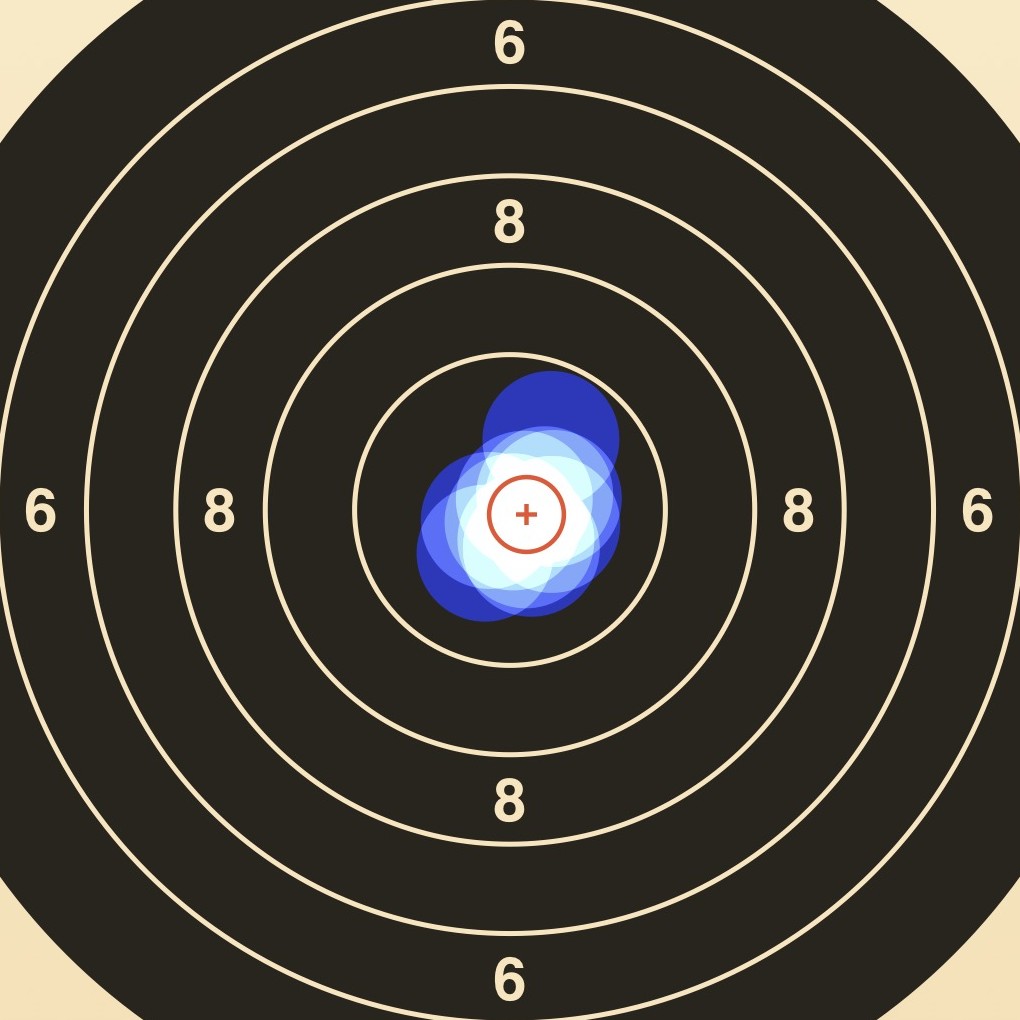
Pinhoe Trophy 2026: four disciplines, teams of three
The Pinhoe Trophy Open Shoot returns on Saturday 7th and Sunday 8th November 2026, with team and individual competitions in Prone, Benchrest, LSR and 10m Air. Entries close on Monday 2nd November.
Read more →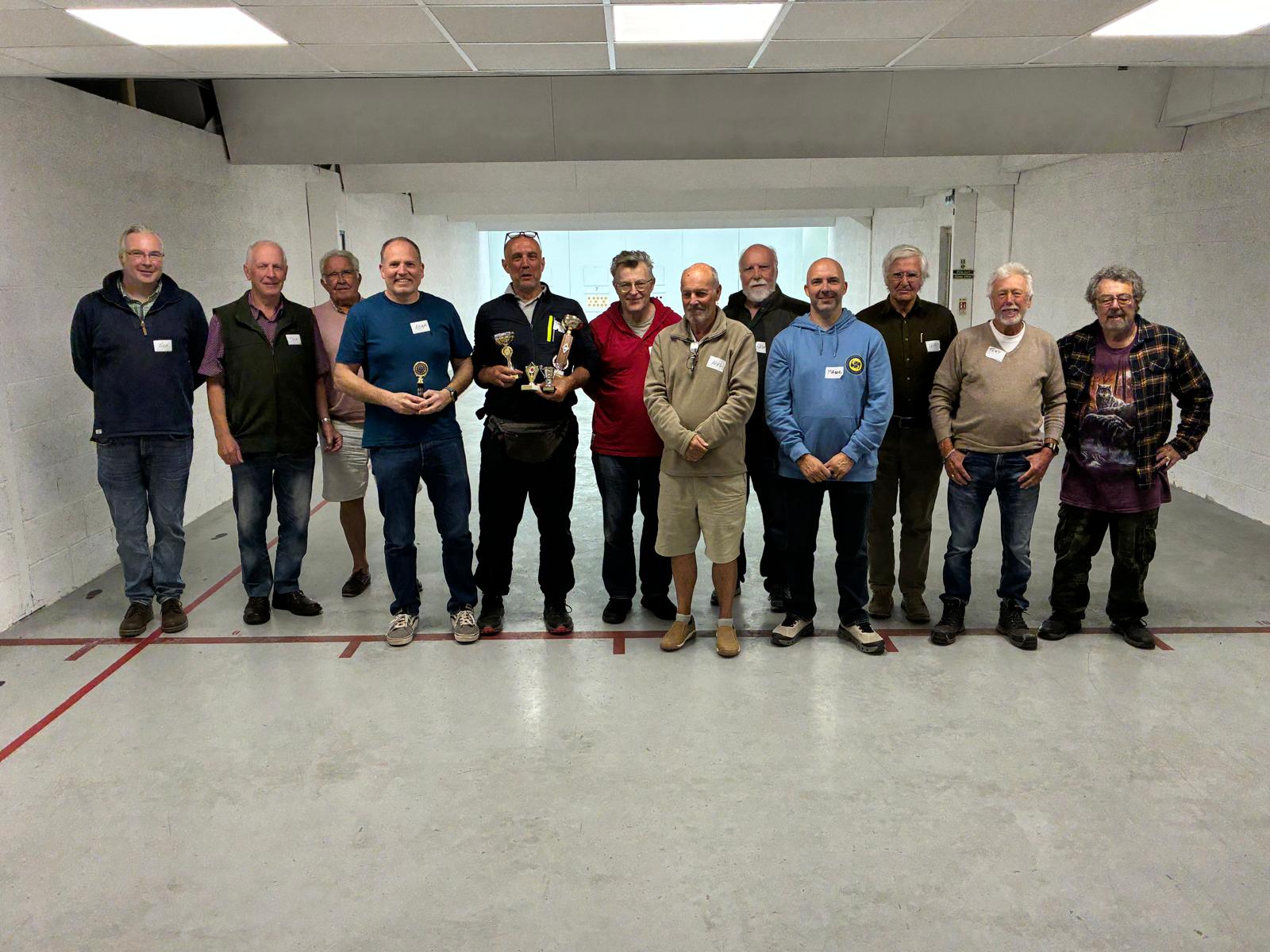
Teignmouth guests on the range
Twelve guests from Teignmouth joined us for a morning Guest Day, trying prone rifle, benchrest rifle, air pistol and LSR with club members coaching them throughout.
Read more →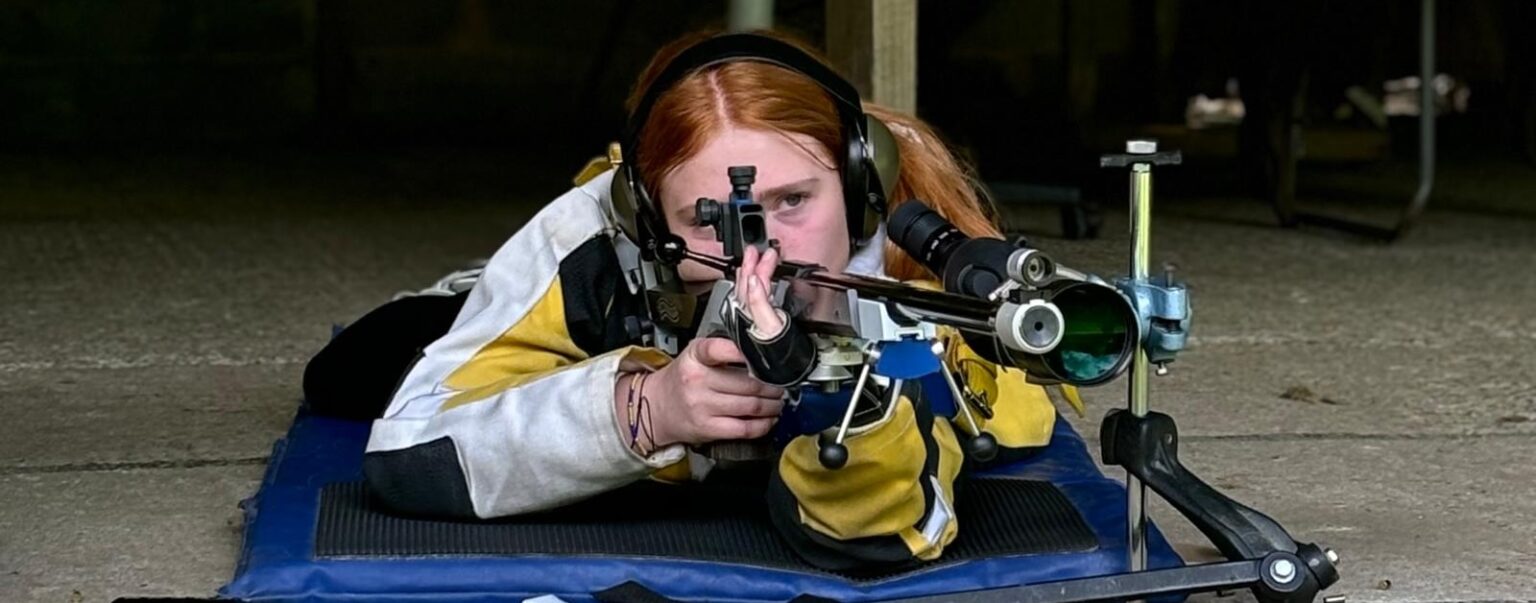
Triple win for Roxy Mounce at the Bideford Double Dewar
Pinhoe junior Roxy Mounce took Class B, the Ladies and the Junior titles at Bideford's Double Dewar meeting at Melbury Range, with 753 out of 800.
Read more →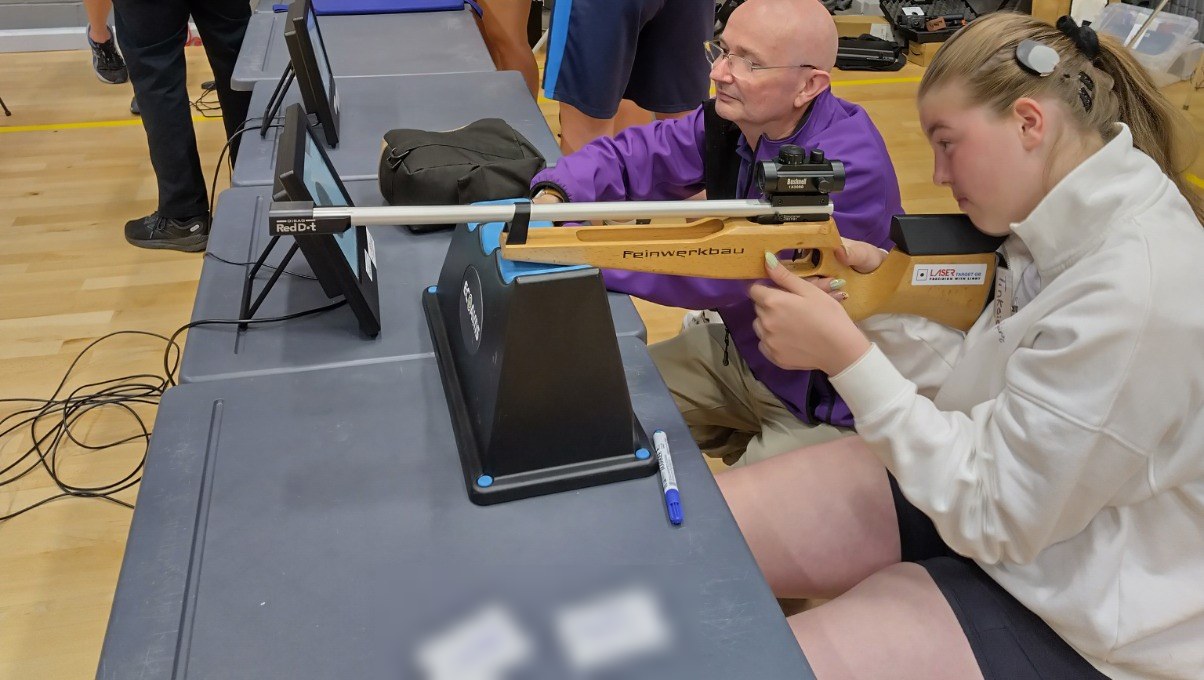
Laser shooting at the Deaf Academy in Exmouth
Two Pinhoe coaches introduced laser rifle and pistol shooting to twelve deaf and partially-hearing youngsters at the Deaf Academy in Exmouth.
Read more →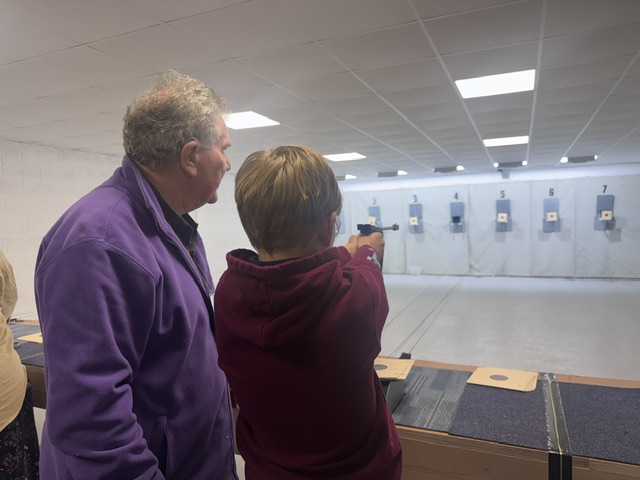
Air pistol training with the East Devon Pony Club
Junior members of the East Devon Pony Club are training regularly on our 10m air pistol range, building the shooting skills they need for Tetrathlon and Triathlon.
Read more →
Bunny Shoot 2026 — Results & Highlights
Results from the Pinhoe TSC Bunny Shoot at Budleigh Farm on 19th April 2026, across Prone, Benchrest and LSR — set aside the usual class names and shoot in Rag, Tag and Bobtail.
Read more →Earlier news
2026
- Bunny Shoot announcement
- NSRA Benchrest Instructor Course Coming Soon training
2025
- Champion of Champions 2025 Results competition
- Pinhoe Trophy Open Prone Competition Results competition
- Pinhoe TSC Launches YouTube Channel announcement
- Instructor Numbers Soar training
- Summer Activity Update competition
- New Instructors Join the Ranks training
- A Strong Season Behind Us competition
- Spring Season Update competition
- Winter Wrap-Up and Spring Start competition
- Bunny Shoot 2025 — Results & Highlights competition
- Good Win in CTSA Competition competition
- Great Winter Performance competition
- Want to Improve Your Shooting training
- Club Shining at Southwest Champions competition
- Junior 10m Air Pistol Achievements competition
- Challenging Changes competition
- Four Wins competition
- LSR Competitions, Events & Improvements competition
- More Recognition training
- Outstanding Winter Performance competition
- Queen Alexandra Cup Team competition
- A Lot of Lead general
- Air Range Hots Up competition
- LSR in Full Swing competition
- Pinhoe Achieves Performance Club Status general
- Prone A Team Dominates competition
2024
- Five leagues and a Champion competition
- Good Scores and Kynoch Anticipation competition
- Performance Club Ambition general
- Success Building competition
- Champion of Champions 2024 competition
- Pinhoe Trophy Results 2024 competition
- Busy October competition
- Congratulations Nick general
- Strong start for Prone competition
- Winter season is well underway competition
- Rimfire Festival Success competition
- Shooting the dragon competition
- What a summer that was competition
- Pinhoe TSC 10m Air Pistol Open 2024 Results competition
- Pinhoe TSC Benchrest Open 2024 Results competition
- Benchrest Workshop training
- Bunny Shoot 2024 — Results competition
2023
- Champion of Champions 2023 competition
- Interpreting the Shooting Wind Clock training
- Pinhoe Benchrest Challenge 2023 — Results competition
- Bunny Shoot 2023 — Results competition
- Bisley & Scottish NSRA National Meetings training
- Instructor Course Success training
2022
- Jersey Open Success competition
- Wincanton Cup 2022 competition
- Article published in On Target magazine Jan 2022 general
- Bernard Schwarz general
2020
- Members working party general
- Devon County SRA October 2020 Shoot Results – Budleigh Farm competition
2019
- One from the archives. general
- Devon Ladies win the Mrs Charles Laws Trophy competition
- Team of Four Championship competition
- Jersey 2019 competition